SHUPA GLOBAL / THE PRACTICAL EDIT
How to Source Products from South Korea
Looking to import products made in South Korea?
Explore the guide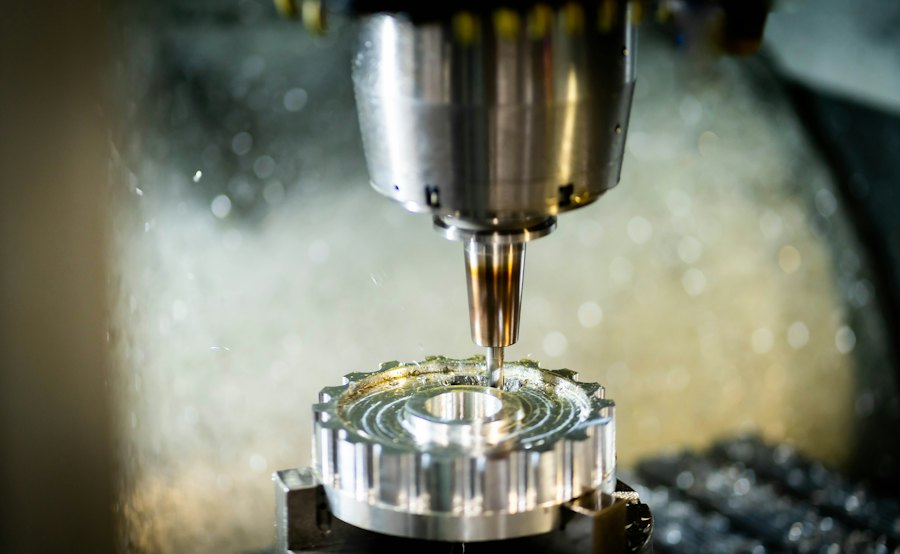
Looking to import products made in South Korea? A useful supplier conversation starts with a precise buying requirement—not an unverified list of factories. This guide helps importers, wholesalers, purchasing managers and growingbrands prepare a request for quotation (RFQ) for Korean goods.
Submit a Korean product sourcing requirement to SHUPA GLOBAL → It is free to enquire. We are an independent introducer, not a manufacturer, warehouse, trading seller or customs adviser. We do not promise supplier availability, prices or results.
1. Define the product before requesting introductions
“Looking for Korean skincare” or “Need an OEM partner” is too broad for a serious quotation. A buyer should identify the exact item or intended specification, the country of final sale and any non-negotiable characteristics.
- Branded beauty: exact brand, product names, sizes, expected order volume and the evidence of genuine, authorised export/resale rights you will require.
- Private-label or OEM beauty: product format, ingredient or performance constraints, packaging, trial quantity, design ownership, testing requirements and sample approval steps.
- Packaged food: flavours, pack sizes, remaining shelf-life needs, storage method and any destination-market ingredient, label or certification requirements.
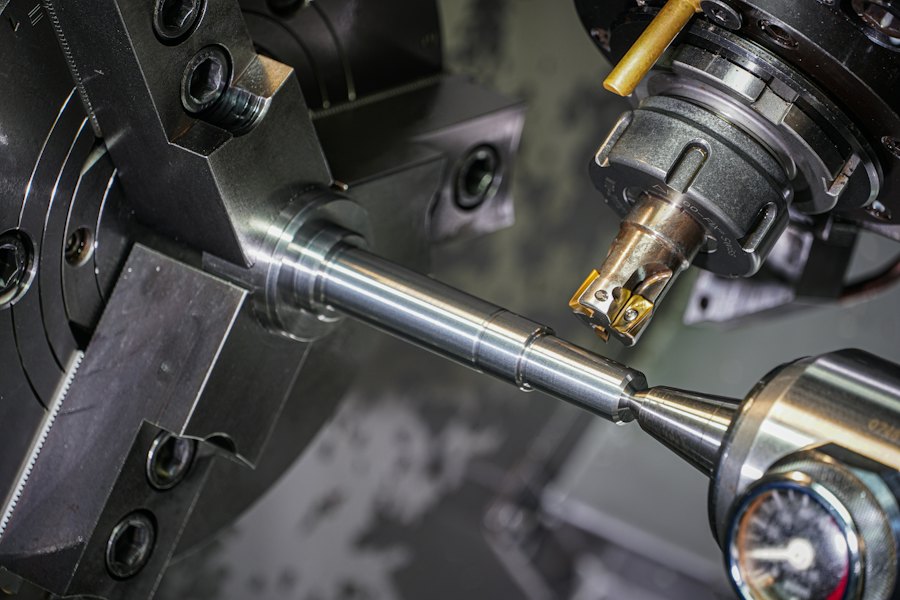
- Industrial parts: drawings or part numbers, dimensions, tolerances, materials, technical standards, annual volume, inspection and acceptance criteria.
- Home and lifestyle: materials, size, finish, colour variants, packaging, anticipated returns/warranty needs and retail or wholesale positioning.
Never assume that a popular Korean brand permits parallel export into your country. A product photo, retail receipt or generic catalogue is not enough to establish supply authorisation.
2. State a realistic trial order and buying timeline
Suppliers need to know whether the request is for samples, a first commercial purchase or recurring replenishment. Separate your intended trial quantity from a forecast that is still uncertain. State whether you need a first quote, a sample, an approved factory audit or commercial delivery by a specific date. Request both the MOQ and the lead time; do not treat either as guaranteed.
3. Clarify the quote basis and local compliance responsibilities
Ask whether the offer is quoted EXW, FOB or another agreed Incoterms basis, what is included in packaging and testing charges, the payment currency and who is responsible for product registration or other regulatory steps in the destination market. Requirements vary by product and market. Importers should check destination rules with their appropriate compliance advisers before ordering.
4. A short RFQ your procurement team can reuse
Buying company and market: [registered company / destination country]
Product requirement: [brand + SKU, or complete functional specification]
First order: [trial quantity / estimated budget / whether MOQ is flexible]
Supply authorisation: [required proof for brands or factory ownership]
Compliance and documents: [known mandatory tests, label language or importer requirements]
Quotation basis: [destination, desired Incoterm if known]
Decision and delivery timing: [target dates]
Buyer status: [ready to quote / samples first / feasibility research]
5. Screen counterparties before exchanging sensitive information
Check company identity, public trading presence, manufacturer/exporter capabilities, relevant certificates and the person authorised to negotiate. Compare any supplier documents to the specific SKU or factory site. Be careful with payment instructions that change by email; confirm independently through trusted company channels. Do not submit banking data, identity documents or confidential customer lists to an unfamiliar introduction service.
6. What SHUPA GLOBAL can and cannot do
SHUPA GLOBAL first screens the buying requirement and assesses whether it makes sense to explore a supplier introduction in South Korea. We may ask follow-up questions about specifications, the first order and timing. We seek permission before sharing identifiable contact details with a proposed supplier. A buyer and any supplier decide their own commercial terms and manage samples, contracts, money, customs, shipping, certification and after-sales arrangements directly. We do not present a directory of pre-verified factories or promise a quotation.
A buyer enquiry is free and does not commit the buyer to place an order. If a transaction later involves a supplier-paid introduction fee under a separate agreement, we disclose the arrangement before the introduction.
Have a real Korean sourcing requirement? Send your RFQ →
Published by SHUPA GLOBAL. General B2B procurement guidance; not legal, customs, regulatory or product safety advice.